
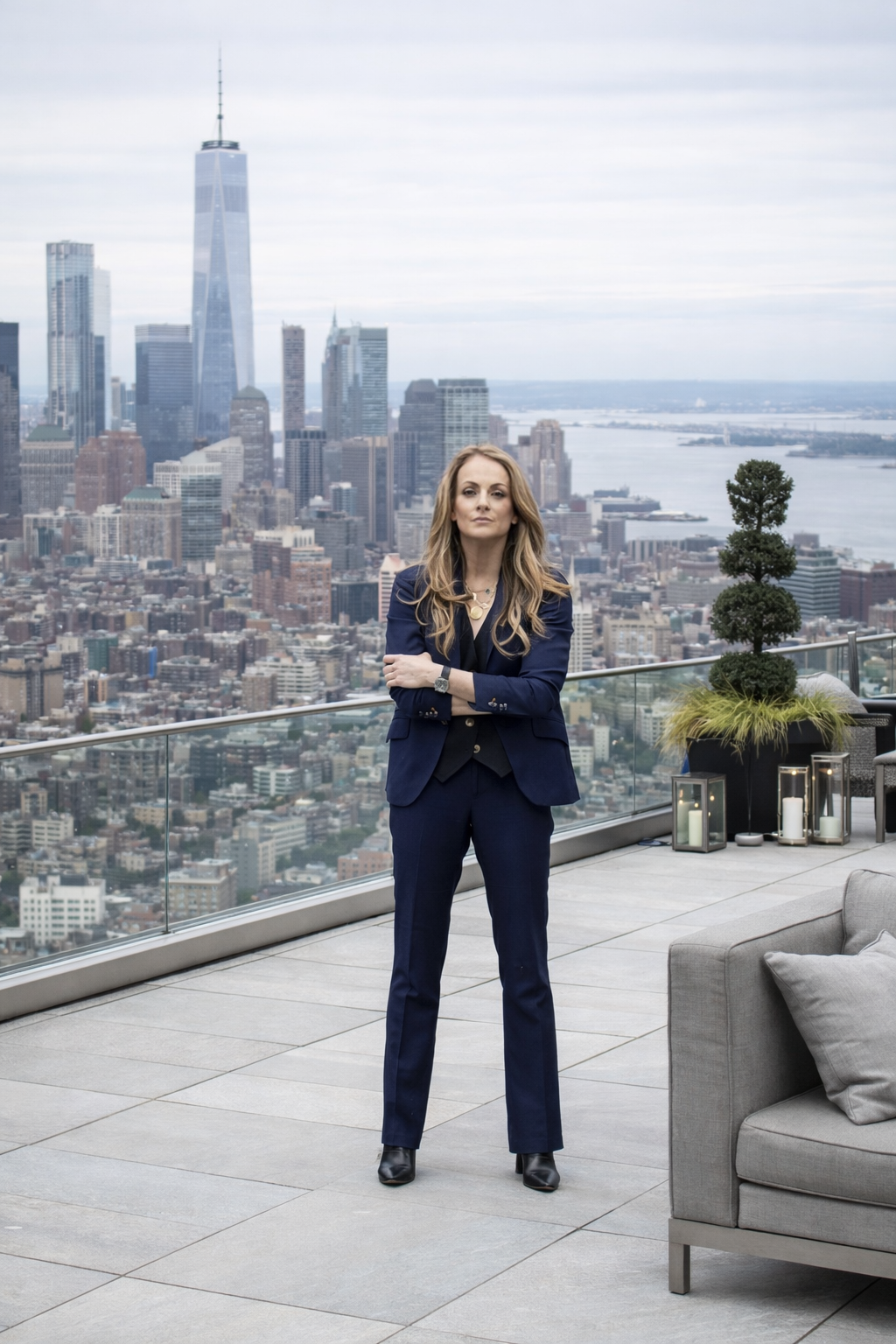
When Capital Decides to Stay: Manhattan in Its New Decade
After ten years marked by corrections, a global pandemic, rate volatility, and structural shifts in international capital, Manhattan has not emerged louder. It has emerged sharper.
.
The newly released 2016–2025 Decade Report from Douglas Elliman paints a picture not of expansion, but of refinement. Transaction volume may no longer chase past highs, yet the capital behind each closing has grown increasingly deliberate. Fewer deals no longer signal hesitation — they signal discipline.
.
To understand what this decade has truly reshaped, We spoke with Frances Katzen, a prominent voice within Manhattan’s high-end residential market, whose perspective reflects both the data and the lived reality of today’s market.
.
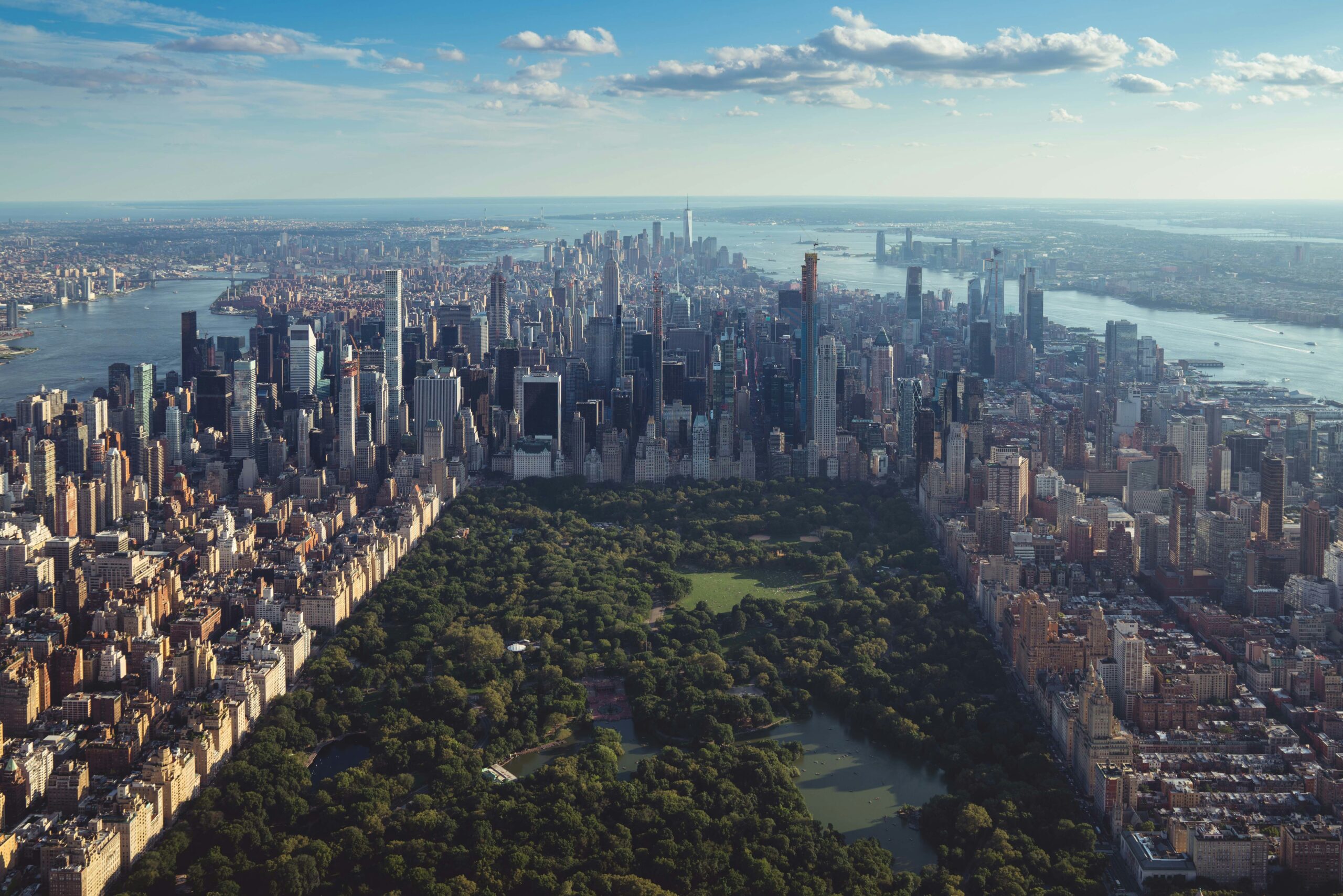
A Market That Has Been Filtered
.
.
Asked whether Manhattan has emerged smaller or simply more selective, Katzen is clear:
“Manhattan has emerged far more selective. Over the past decade, the market has been stress-tested by multiple shocks, and what we’re left with is a buyer pool that’s more intentional, more global, and more disciplined.”
.
In other words, the decade acted as a filter.
Economic uncertainty, geopolitical shifts, and rate hikes did not eliminate demand. They eliminated impulsivity. The remaining buyers are not retreating; they are repositioning.
.
“Fewer transactions don’t automatically signal weakness here. I think they signal precision. Buyers today are making fewer moves, yes, but they’re making bigger moves, and longer-term ones at that.”
.
The Rise of the Liquid Buyer
.
.
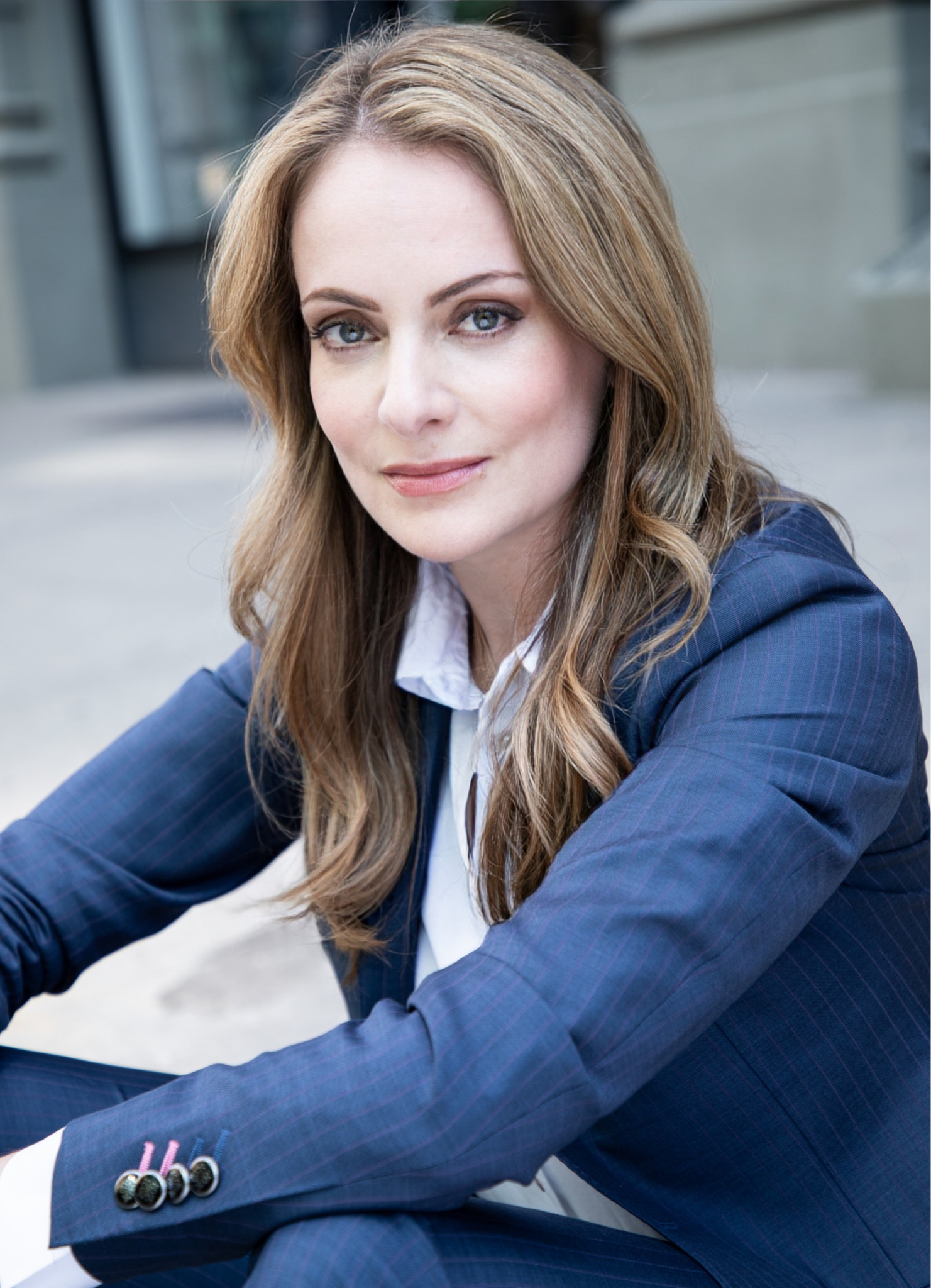
One of the most defining shifts of the past decade has been the dominance of cash transactions. Manhattan, once more intertwined with leverage, is now overwhelmingly influenced by liquidity.
.
Katzen explains the transformation:
“The buyer who remains active today is highly liquid, globally connected, and much less rate-sensitive than the buyer we saw ten years ago.”
.
Where financing once played a central role, certainty now leads the conversation.
.
“Back then, leverage played a larger role, but today, cash dominates because buyers are prioritizing certainty and speed from volatility.”
.
Speed matters. Control matters. Optionality matters.
.
These are not speculative entrants chasing momentum. They are strategic allocators deploying capital with conviction.
.
“These are sophisticated individuals who see Manhattan as a strategic allocation. They’re comfortable stepping in during periods of uncertainty because they’re buying with conviction.”
.
Manhattan today is less about timing the market and more about positioning within it.
.
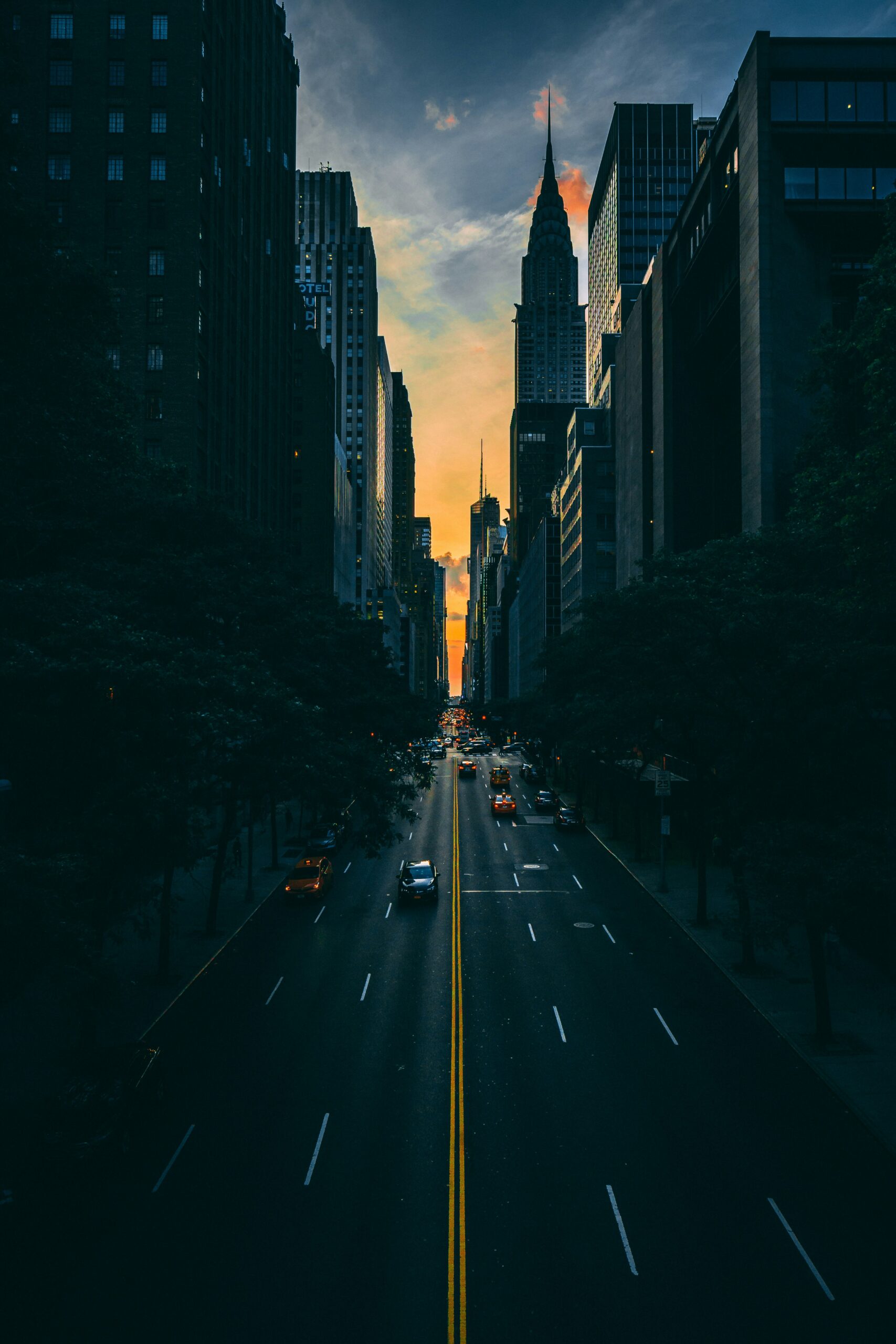
Investment, Store of Value — and Something More
.
.
If Manhattan has always functioned as a store of value, what role does it now play for sophisticated capital?
Katzen does not separate the categories.
“It’s all three, but lifestyle has become the anchor.”
Investment logic still applies. Manhattan remains globally recognized, structurally limited, and institutionally strong. Yet what increasingly drives decisions is access — to culture, to talent, to networks.
“Manhattan is still a global store of value and a reliable long-term investment, but what’s changed is how deeply lifestyle factors into the decision.”
The buyer of 2025 is not purchasing square footage alone. They are purchasing proximity to opportunity.
“Buyers are choosing Manhattan because it offers access to culture, talent, networks, and opportunity in a way no other city can replicate. That access is what preserves value over time.”
Value is no longer preserved purely through scarcity. It is preserved through relevance.
The Quiet Strength of Conviction
.
The story of Manhattan’s past decade is not one of exuberance or collapse. It is the story of a market that endured stress and emerged disciplined.
.
Transaction volume may fluctuate. Rates may rise and fall. Global capital may shift direction. Yet Manhattan continues to function as a convergence point for liquidity and ambition.
.
.
.
.
Photo Credits: The captivating images featured in this article have been sourced from various talented photographers. While specific credits may not always be available, we deeply appreciate their work in bringing these stunning visuals to our readers. If you are the photographer and would like to be credited, please contact us so we can give you the appropriate recognition. The images in this article have been enhanced using artificial intelligence and may not accurately represent reality.


