
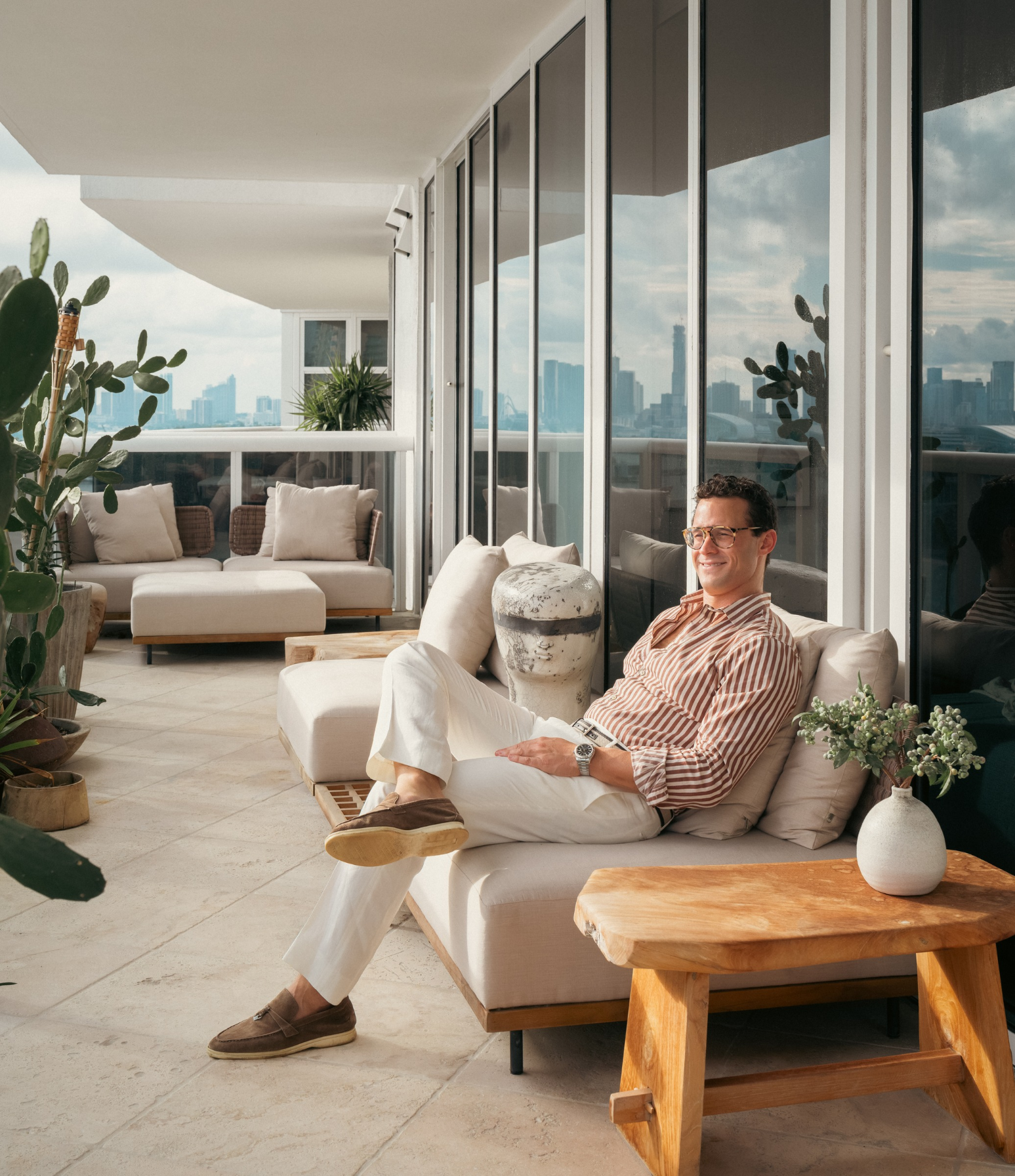
Julian Buckner of Vesta Home on the Next Generation of Luxury Homes
Julian Buckner, founder and CEO of Vesta Home, explores how changing lifestyles, adaptable spaces, and increasingly invisible technology are shaping the future of luxury residential design.
.
Luxury residential design is entering a period of transformation. As the boundaries between work, wellness, hospitality, and everyday life become less defined, homeowners are looking for residences that offer more than sophisticated interiors. Flexibility, personal expression, and convenience are becoming increasingly important. For Julian Buckner, founder and CEO of Vesta Home, the future of residential design begins with understanding how people want to live, rather than simply how they want their homes to look.
.
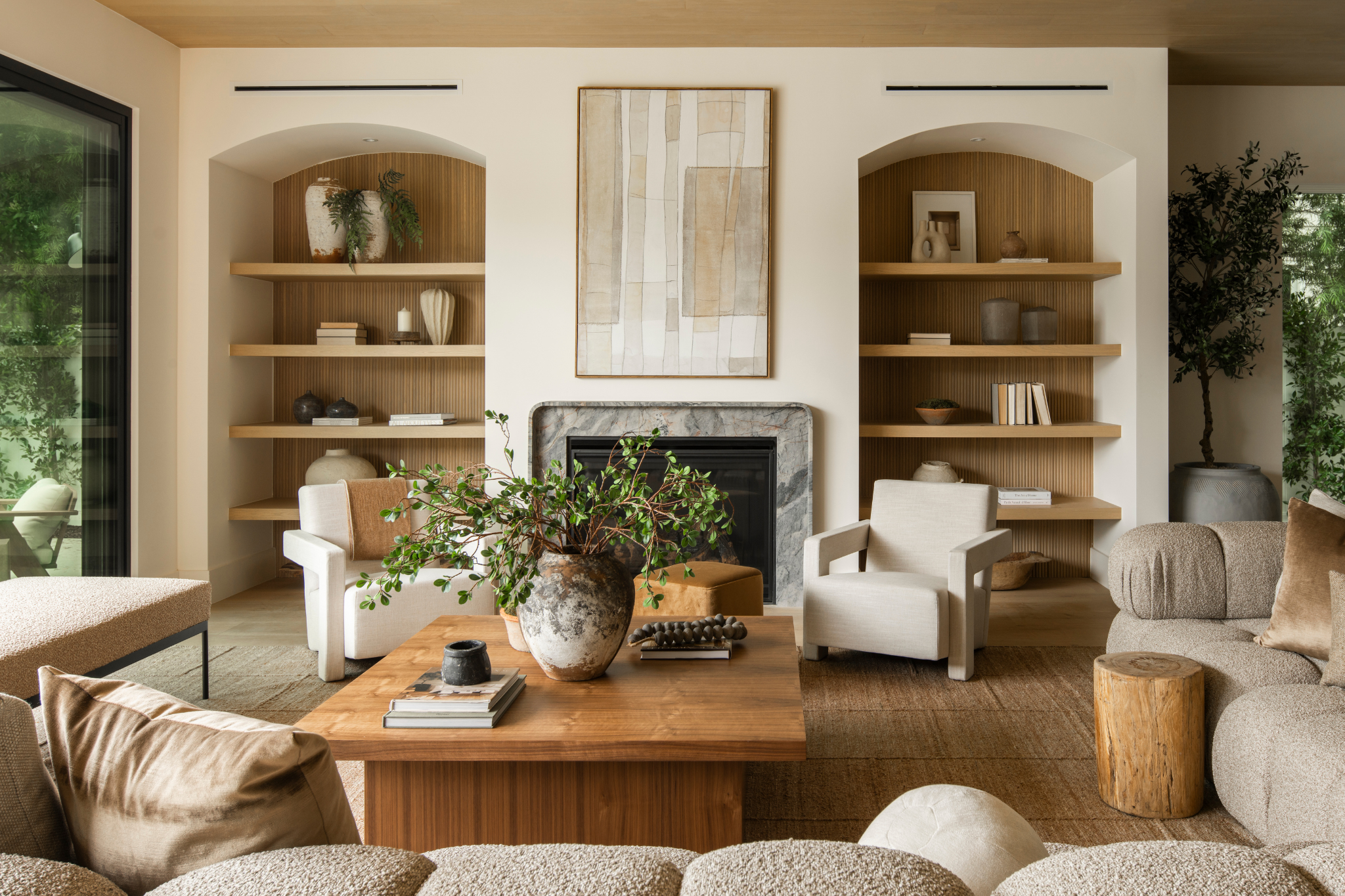
Credits: Farmdale – Photog Gavin Cater
.
Buckner founded Vesta Home in 2018 after beginning his career at McKinsey & Company and later working at a furniture technology startup in Los Angeles. Originally focused on luxury home staging, the company has evolved into a residential design and furnishings business offering staging, interior design, and curated furniture collections across some of the country’s most influential luxury real estate markets. Through his work with homeowners, developers, and buyers, Buckner has observed a shift in what people expect from their residences.
.
“I think people are starting to expect their home to support their entire lifestyle in a way they didn’t even five years ago. The lines between home, work, wellness, hospitality and entertainment have really blurred.”
.
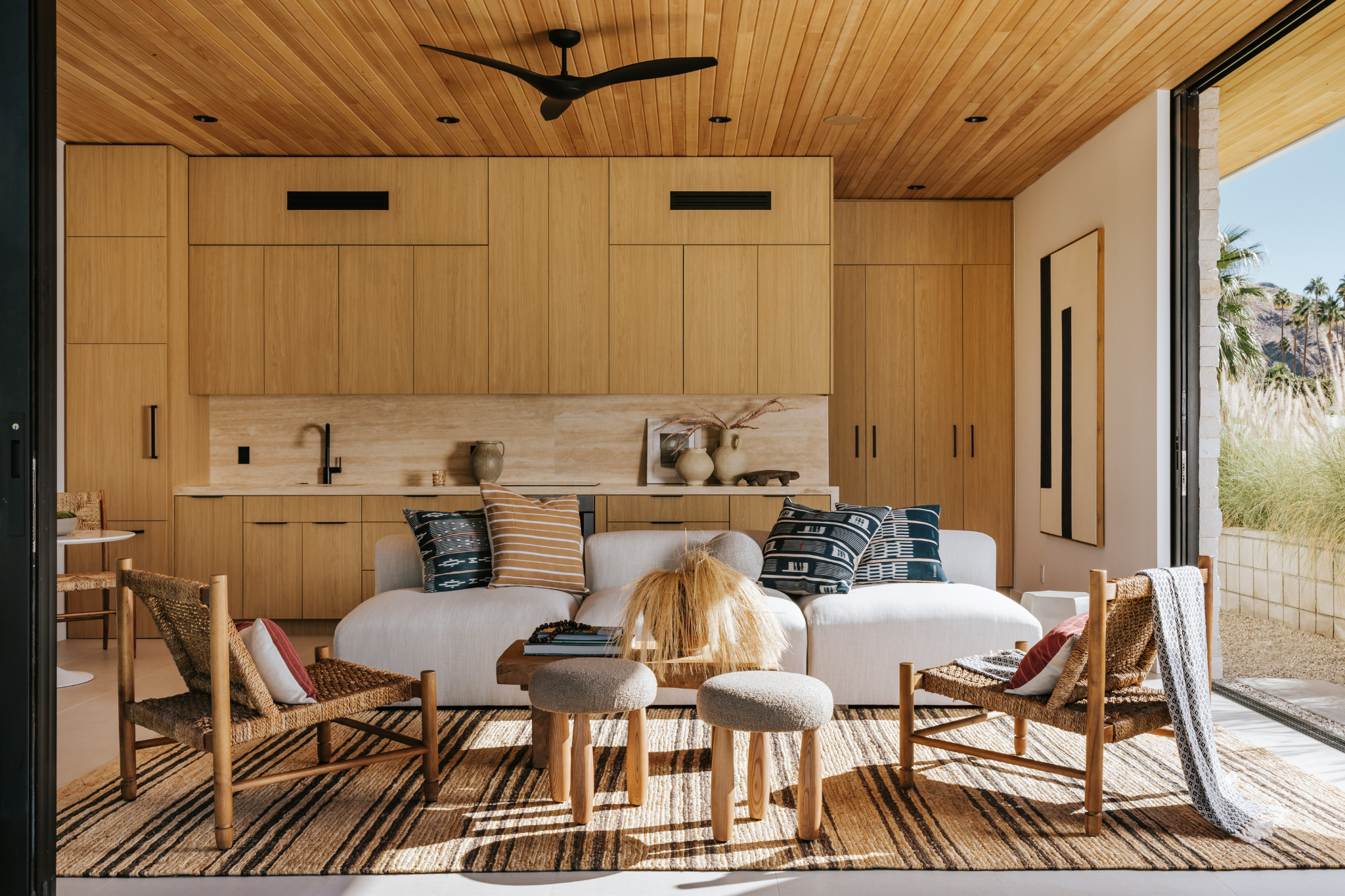
Credits: Yosemite Cristian Cruzio
.
He explains that homeowners increasingly want dedicated spaces for fitness and recovery, functional home offices, entertainment areas, and comfortable accommodations for visiting family and friends. Features once considered extras are becoming standard expectations, particularly in the luxury market. Convenience is another important factor, as buyers want their homes to feel complete and ready to enjoy without spending months selecting furniture, artwork, lighting, and other details.
.
“To me, that combination of lifestyle and ease is where luxury is heading. The home should anticipate how you want to live and make that life easier.”
.
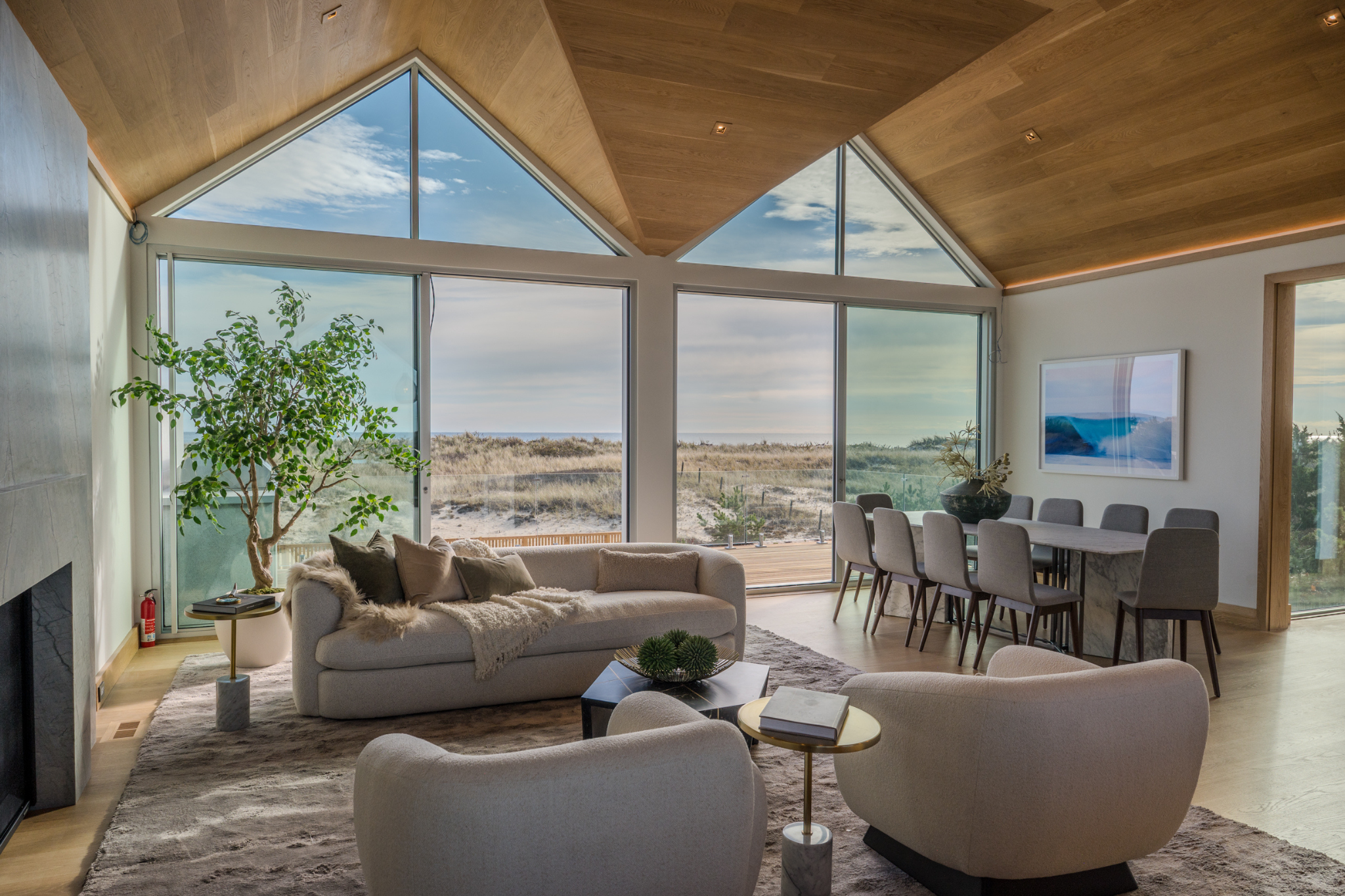
Credits: Jayne Howard
.
A More Adaptable Future
.
Looking ahead ten years, Buckner believes one of the most significant changes will be the way residential spaces are conceived. Rather than designing rooms around permanent functions, homes will increasingly need to evolve alongside their owners. “The best homes will be able to evolve with you. A space might function differently on a Monday morning than it does on a Saturday night, or completely change as your family and lifestyle change.”
.
Technology will play a role in making this flexibility possible, but Buckner does not believe that future luxury residences will necessarily look more futuristic. Instead, he anticipates a greater appreciation for interiors that feel personal, incorporating natural materials, meaningful artwork, vintage furniture, and objects that reflect their owners’ experiences.
.
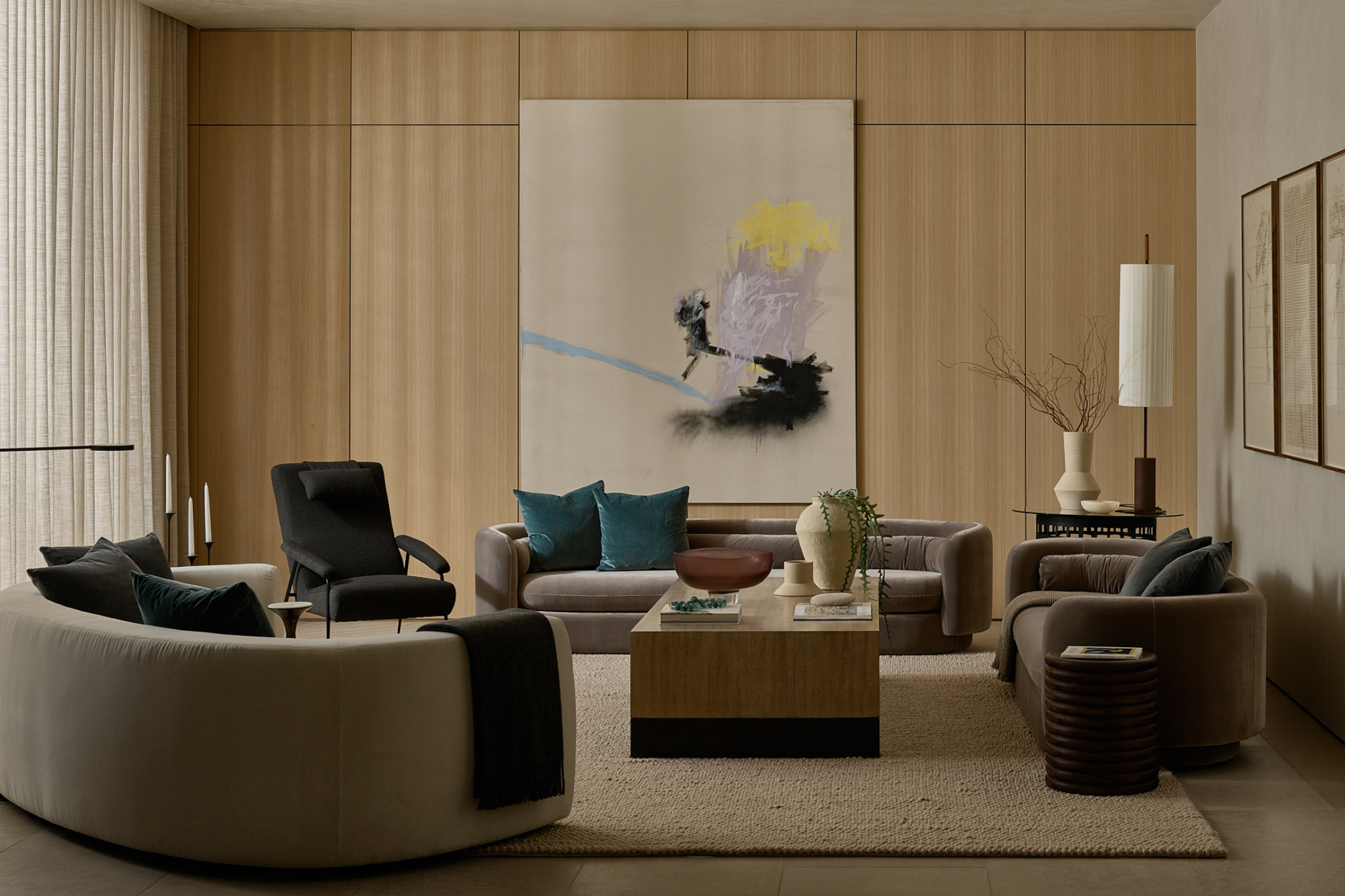
Credits: 10721 Stradella – Photog Nils Timm
.
“The more technology disappears into the walls, the more important the tactile, emotional side of design becomes. Art you’ve collected while traveling, a vintage chair you hunted down, natural materials that age beautifully, pieces with a story behind them.”
.
For Buckner, the next generation of luxury homes will not be defined simply by technology or aesthetics, but by their ability to accommodate changing lifestyles while maintaining a sense of individuality. As he puts it, “Ten years from now, the most sophisticated home may also be the one that feels the least manufactured.”
Photo Credits: The captivating images featured in this article have been sourced from various talented photographers. While specific credits may not always be available, we deeply appreciate their work in bringing these stunning visuals to our readers. If you are the photographer and would like to be credited, please contact us so we can give you the appropriate recognition.


